
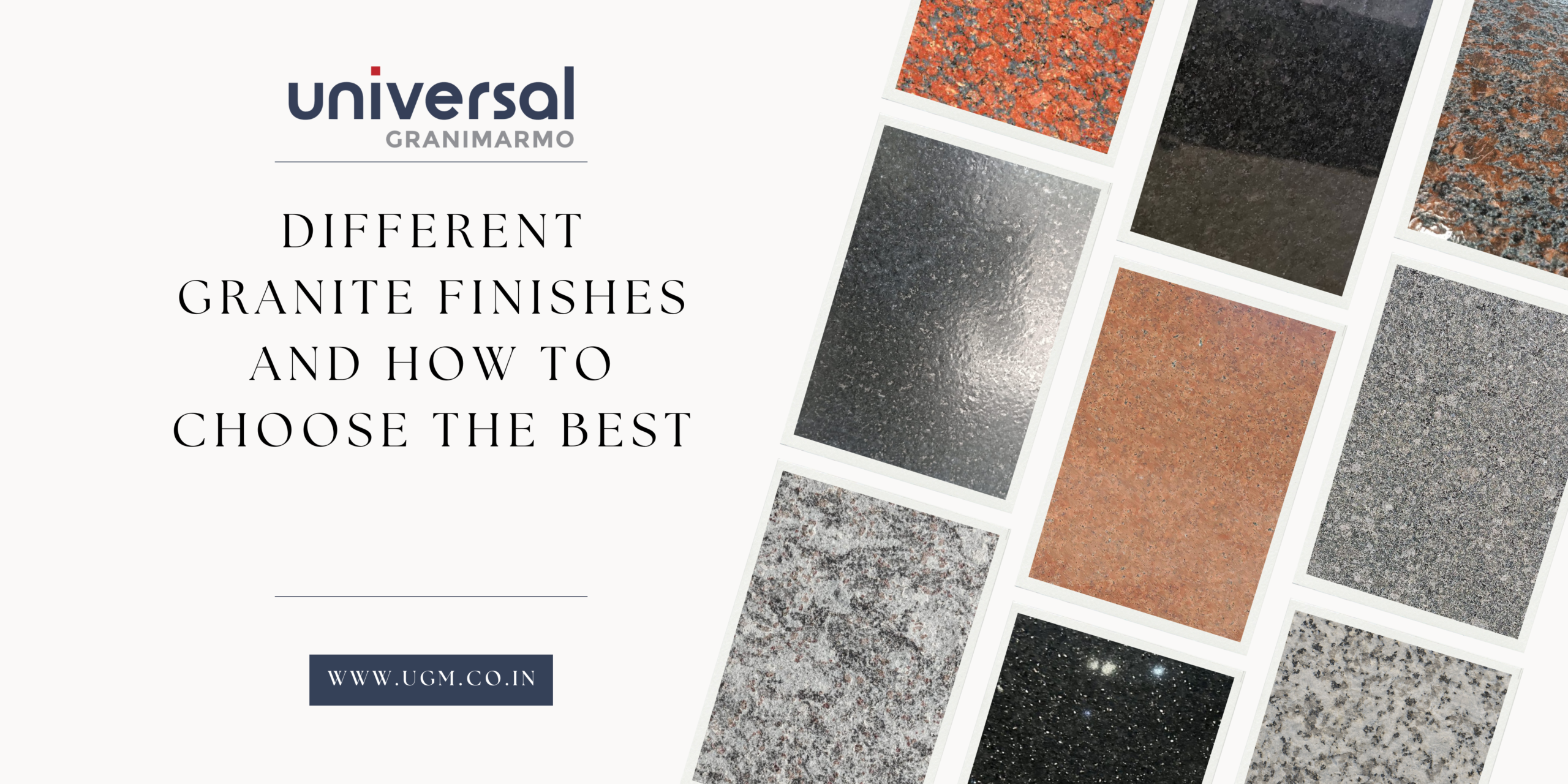
Granite is one of the most popular natural stones used in construction and interior design. Known for its strength, beauty, and long-lasting performance, granite is widely used for flooring, countertops, wall cladding, staircases, and outdoor spaces. However, what truly defines the final look and functionality of granite is not just its color or pattern, but its finish. Granite finishes determine how the surface looks, how it feels underfoot, how much light it reflects, and where it can be best used. Choosing the right granite finish is just as important as choosing the right granite color.
In this detailed guide, we will explore different granite finishes and their applications, helping homeowners, architects, designers, and builders make informed decisions.
What Is a Granite Finish?
A granite finish refers to the surface treatment applied to a granite slab after it is cut and shaped. This treatment changes the texture, shine, slip resistance, and overall appearance of the stone. Some finishes make granite glossy and reflective, while others give it a soft, textured, or matte look. Each finish serves a specific purpose and suits different environments.
Granite finishes are selected based on:
- Location of use (indoor or outdoor)
- Level of foot traffic
- Desired appearance
- Maintenance requirements
- Safety considerations like slip resistance
Popular granite surface finishes and their respective applications
Polished Finish
This is the most commonly applied finish on a granite surface. The fundamental idea behind applying this finish is to reveal the stone’s natural beauty and add elegance to any space. A polished finish granite surface mimics a mirror-like shine that tends to resonate luster and stun onlookers. This finish is known for revealing the true color and charm of the granite.
Polished finish is much like an inherent part of stone processing and is done on almost all countertop surfaces to make it smoother. Similarly, this finish is pretty much common in flooring, too.
At stone processing facilities, polish is done through a grinding and buffing process that is meant to give the stone surface a glossy, slippery finish. The stone slab passes through a range of polishing wheels with attached abrasive pads.
Honed Finish
A honed finish granite exhibits a satin buffed or matte look. This type of surface finish contains lesser replication and shine as compared to the polished finish, thus lending a laxer look. A honed finish stone can induce a calm, off-the-cuff appeal while upkeeping the class and character of the graceful stone. This finish will not reveal the hue and consistency of the granite as well as the polished finish. For those searching for a bit subdued look, honed granite for countertops or backsplashes is a wonderful choice.
For countertops, this surface finish is quite popular as it results in a smoother and workable finish. Another benefit associated with a honed finish is its capability to hide flaws better than other finishes due to being less reflective.
Similarly, a honed surface is apt for flooring as it is less slippery and reveals traces of wear or traffic patterns. In terms of moisture retention, a honed finish is less effective than a polished finish.
Leathered Finish
In comparison to other granite surface finishes, this is relatively new and rapidly gaining popularity in the décor industry. It boasts a subtle gloss less than a polished one, and includes a textured look. The texture will differ from piece to piece, and some natural stones will have a more distinct leather finish than others.
This kind of surface finish is found to lend a warm and rustic appeal to the stone surface. Although the leathered finish is not as glossy as polished, it usually has more depth than a honed finish. Mostly, a leathered finish stone exhibits more resistance to stains, scratches, fingerprints, and smudges.
This finish is achieved by first removing the polished finish, followed by grinding the surface with leathering brushes that put heavy pressure on the surface. These brushes make small ripples in the surface that lead to the leathered finish.
Flamed Finish
This finish is characterized by a bit bumpy stone surface. The finishing process also alleviates the stone finish to some shades, leading to a more faded, rustic, and lighter look.
As its name indicates, this finish is achieved by exposing a high-intensity flame to the stone surface, which causes the surface to spurt and become coarse. It is an ideal finish for outdoor applications where a non-slip surface is required.
Bush Hammered Finish
This finish is achieved by hammering the stone with multiple steel brushes that tend to break the surface and cause pits. Alike the flamed finish mentioned above, bush-hammering is a process for preparing extremely slip-resistant surfaces. It can also be utilized to reconstruct the look of a primitive polish when the stone was hand-chiseled. Eventually, gentle brushing using steel brushes is done to give the surface a “time-worn” look.
Brushed Finish
Brushed finish granite is created by brushing its surface gently until it becomes textured. Due to the application of brushing, granite stones with this finish become more porous than polished granite. Similar to a honed finish, a brushed finish attenuates the color of the granite.
A brushed finish granite carries the power to conceal imperfections and scratches, which are quite common during usage.
Lepatora Finish
The term ‘Lepatora is known to have its origin in Italy. To yield Lepatora finish, the granite surface is first ground by using an abrasive to remove the polish. Then, scratches on the stone are removed by using other stone abrasives. Then, different stone brushes of numbers 26, 60, 80, 120, 240, 320, and 500 are used in the leather finish. After this, three more special stones of numbers 800, 1500, and 3000 are used to attain an eventual stone finish, which is a mix of muted and gloss, and less shiny. Lepatora finishes granite features a granular, worn-out but extremely stylish look. The surface is non-slippery and quick to clean.
What are the factors to consider before choosing granite finishes?
Several factors should be considered before choosing granite finishes to ensure the selection aligns with both aesthetic preferences and practical requirements. Here are key considerations:
Several factors should be considered before choosing granite finishes to ensure the selection aligns with both aesthetic preferences and practical requirements. Here are key considerations:
1. Intended Use
Kitchen Countertops: Consider polished finishes for a sleek look or honed for a more casual vibe.
Bathroom Surfaces: Opt for finishes with higher stain resistance, such as polished or leathered.
2. Aesthetic Preferences
Color and Pattern: Different finishes can enhance or subdue the natural colors and patterns of granite.
Style: Consider the overall design theme – polished for elegance, honed for a softer look, or textured finishes for a more rustic appeal.
3. Maintenance Requirements
Stain Resistance: Polished granite tends to be more stain-resistant, while honed and textured finishes may require more frequent sealing.
Ease of Cleaning: Polished surfaces are easier to clean, while textured finishes may trap more dirt and require extra care.
4. Durability and Wear Resistance
Scratch Visibility: Polished surfaces may show more scratches, while textured finishes can hide them better.
Resistance to Etching: Polished surfaces are susceptible to etching from acidic substances.
5. Location and Environment
Indoor vs. Outdoor: Consider finishes that are suitable for the specific environment – polished for indoor elegance, flamed or textured for outdoor durability.
Moisture Exposure: For areas prone to moisture, choose finishes with better water resistance.
6. Budget Constraints
Different finishes may have varying costs, and some may require more maintenance, impacting long-term expenses.
7. Personal Lifestyle
Consider how often the surface will be used and the level of wear it will endure & choose finishes that align with personal taste and lifestyle, whether it’s a preference for high gloss or a more subdued appearance.
8. Trend Considerations
If staying on-trend is a priority, consider finishes that are currently popular in interior design.
9. Consultation with Professionals
Seek advice from professionals such as designers, architects, or granite suppliers who can provide insights based on experience.
10. Testing and Samples
Request samples of different finishes from the granite supplier, test and observe them in various lighting conditions to better understand how they will appear in your space.
By carefully considering these factors, you can make an informed decision when choosing granite finishes, ensuring that the selected finish not only enhances the aesthetic appeal but also meets the practical needs of the intended application.
Conclusion
Granite finishes play a vital role in defining both the appearance and performance of the stone. From glossy polished surfaces to rugged flamed textures, each finish has its own purpose and application. Understanding different granite finishes and their applications helps in selecting the perfect stone for every space.
Whether you are designing a modern kitchen, a luxurious bathroom, or a durable outdoor area, choosing the right granite finish ensures beauty, safety, and long-term value. Granite’s versatility, combined with the right finish, makes it one of the best natural stones for residential and commercial use.