
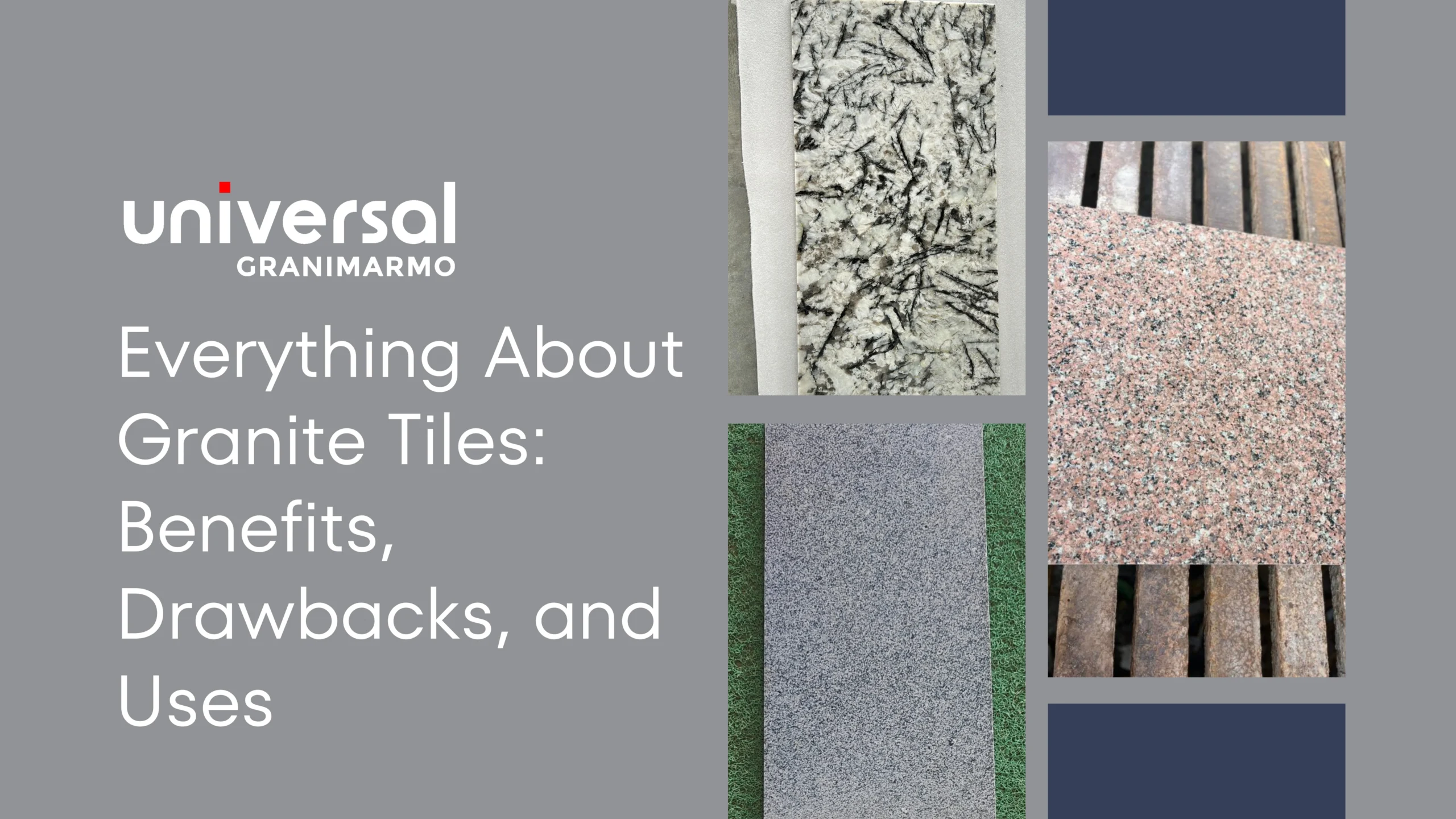
Granite tiles are one of the most popular natural stone materials used in homes and commercial spaces. Known for their strength, beauty, and long life, granite tiles have been used for decades in flooring, walls, kitchens, and outdoor areas. They bring a natural and premium look while offering excellent performance in daily use.
In this article, we will explore everything about granite tiles—what they are, their benefits, drawbacks, different uses, finishes, maintenance tips, and how to decide if granite tiles are the right choice for your space. The language is kept simple and easy so anyone can understand.
What Are Granite Tiles?
Granite is a natural igneous stone formed deep inside the earth under high heat and pressure. It is mainly made of quartz, feldspar, and mica. When granite is cut into uniform shapes and sizes, it is called granite tiles.
Granite tiles are widely used because they offer the same strength and beauty as granite slabs but are easier to install and more budget-friendly. They come in various colors, patterns, sizes, and finishes, making them suitable for many applications.
Granite Tiles – Pros and Cons
| Pros | Details |
| Highly durable | Granite withstands heavy use and can last decades; even after 15–20 years, floors look new after re-polishing. |
| Supports heavy appliances | Ideal for kitchens—handles the weight of refrigerators, ovens, and other large appliances. |
| Heat, spill & scratch resistance | Resists everyday kitchen spills, heat exposure, and wear. |
| Natural variation & beauty | Offers unique colours and patterns; polished surfaces reflect light and make small rooms look bigger. |
| Luxurious underfoot feel | Users love the cool, premium feel of granite tiles. |
| Low maintenance | Remains spotless with basic cleaning and annual sealing. |
| Adds property value | High aesthetic appeal increases the premium feel of the home. |
| Cons | Details |
| Heavy material | Requires professional installation; if mishandled or dropped, tiles may crack. |
| Needs annual sealing | Must be sealed once a year to stay stain-resistant. |
| Cool surface | The cool underfoot feel may be uncomfortable in colder climates (though many consider this a pro). |
| Can be slippery when highly polished | Especially when wet, polished granite may reduce traction (general material trait). |
Advantages of Granite Tiles
Durability and Strength
Granite is also a natural hard rock, and its rating is 6-7 on the Mohs scale. It is able to hold a great amount of load; therefore, it is appropriate in shopping centers, hotel entrances, and active kitchens. The granite tiles do not chip easily, as most other types of tiles do, and this implies that they can be used for decades.
Natural Beauty and Variety
There are no two identical granite tiles. Every work possesses its texture, specks, and veins. It is the depth and visual interest that this natural variation provides, which can never be replicated by artificial materials. Granite has a multitude of colors, whether you choose the understated whites or the dramatic and darker blacks.
Popular varieties include:
- Black Galaxy: opaque black and golden flecks.
- Tan Brown: deep chocolate shades.
- Kashmir White: neutral sophistication.
- Steel Grey: contemporary and minimalistic.
- Rosy Pink: warm and homely.
Resistance to Heat, Scratches, and Weathering
Extreme conditions are also favorable to the granite. Granite countertops allow hot pans to be placed on them without any damage. The granite tiles that are applied outside are long-lasting as they do not fade under the sun, and they are not easily broken in cold and wet seasons. Its hardness prevents it from being scratched by imposing furniture or cutting blades.
Long-Term Value and Property Appeal
Even though granite is expensive at the start, it saves in the long run. It is more durable and more classical in appearance. Households with granite flooring or countertops tend to sell at a greater price, as buyers can see them as an indicator of high quality.
Eco-Friendliness and Sustainability
Granite is a natural material, and only minimal processing should be done. The environmental impact of modern quarrying techniques is less, and granite can be completely recycled. Nor does it release chemicals or gases that are harmful, which makes the indoor air remain healthy.
Versatility in Design and Application
Granite can be used in minimalistic rooms or royal residences. Polished granite can be combined with matte finishes to achieve artistic effects. The big tiles produce smooth floorings, whereas small tiles are applicable to ornamental wall panels or bathroom walls.
Common Uses of Granite Tiles
Granite tiles are extremely versatile. They can be used in many areas of a building.
1. Granite Tiles for Flooring
Granite flooring is one of the most popular uses. It provides a solid, premium, and elegant look.
Best areas for granite flooring:
- Living rooms
- Hallways
- Bedrooms
- Offices
- Commercial spaces
Granite floors stay cool, making them ideal for warm climates.
2. Granite Tiles for Wall Cladding
Granite wall tiles add texture and depth to interiors and exteriors.
Common wall applications include:
- Living room feature walls
- Staircase walls
- Exterior building facades
- Elevation designs
They offer excellent weather resistance for outdoor walls.
3. Granite Tiles in Kitchens
Granite tiles are widely used in kitchens due to their strength and heat resistance.
Uses in kitchens:
- Flooring
- Backsplashes
- Countertops (tile format)
They handle spills, heat, and daily cooking activities easily.
4. Granite Tiles in Bathrooms
With the right finish, granite tiles work well in bathrooms.
They are used for:
- Bathroom floors
- Shower walls
- Vanity areas
Non-slip finishes are recommended for safety.
5. Outdoor Applications
Granite tiles perform exceptionally well outdoors because they resist weather changes.
Outdoor uses include:
- Garden pathways
- Driveways
- Patios
- Balconies
- Outdoor staircases
Flamed or bush-hammered finishes are ideal for outdoor use.
Final Thoughts
Granite tiles combine strength, beauty, and practicality like no other material. Their natural patterns, wide color range, and versatile applications make them suitable for almost any space. Whether used indoors or outdoors, granite tiles add value, style, and durability to a property.
By understanding their benefits, drawbacks, and proper uses, you can make the right choice and enjoy the timeless appeal of granite tiles for decades.